
When Fate Returns to the Land
How a community learns to receive hardship and abundance through its own mythology.

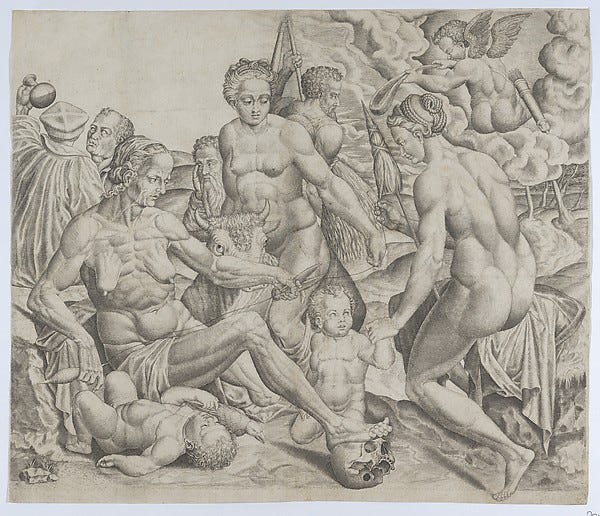
Every new land project begins from a low position. It has little proof, little protection, and far more desire than tested capacity. The first people are building while they are living inside what they build. Their mistakes fall directly into daily life, because there is no finished institution standing between an idea and its consequences.
This is part of what makes the Silver Age a more honest setting for regenerative life. The land already teaches change before the community has language for it. A growing season closes. Water rises and recedes under the moon. The light shifts, weather interrupts plans, and even the wider atmosphere can remind a solar-powered or digitally dependent project that its world is larger than its intentions. A community living close to these movements understands that stability was never the promise. Its promise is to become capable of meeting alteration without losing the meaning of what it has built.
The stories a community has gathered about itself become important here. They hold the proof that the project has already met difficulty and was changed by it. The first period of scarcity, the failed arrangement that had to be repaired, the moment a generous habit became unsustainable, the decision that saved a relationship to the land: these events become more than private memory once they enter the community’s mythology. They give later decisions a lineage. When another hard season arrives, people are able to recognize the shape of the challenge through something deeper than panic. The place can say, in its own language, that this is not the first time it has faced fate.
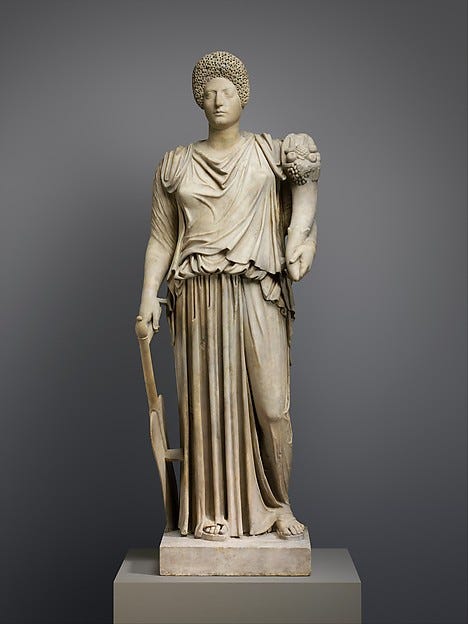
Hardship is only one form of that encounter. Good fortune can arrive with an even more confusing force, because it presents itself as confirmation. Attention may find the project before the project has found the structure required to receive it. A single image of life on the land can travel far beyond the relationships that made the image possible. A wellness teacher with a vast following may want to hold a sold-out weekend there. A small investor may recognize the outline of a brand. People who have never walked the paths or eaten at the table may begin forming an expectation of what the place can give them.
At that moment, the project enters another scale of reality. Its warmth begins carrying obligations that were absent when the land was held by a few people who knew one another well. Money is attached to the experience. Reputation becomes vulnerable to promises made through a screen. Strangers arrive with a picture of the place already active in their minds. What felt organic in private life can become dangerously imprecise once it is being purchased, repeated, desired and publicly interpreted.
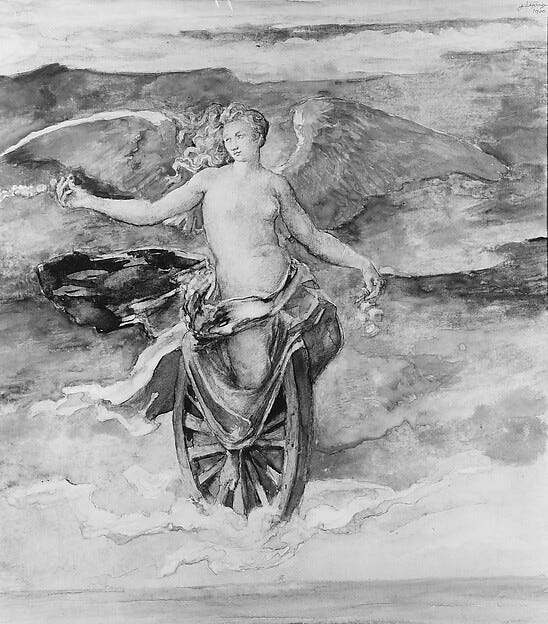
Popularity exerts pressure because it comes with its own story. The outside world rarely reaches toward a regenerative community as a neutral observer. It reaches with hunger. It wants refuge from a life that feels depleted, proof that another existence is available, an image of intimacy with land that can be entered through payment or participation. Online circulation intensifies this desire until the image begins to alter the thing it represents. The land is no longer only living its own story; it is being approached by a larger mythology that wants to use the place as evidence for its longing.
This is where the community’s own history begins to do active work. A project with no formed mythology may welcome prosperity as a command to expand, believing that public desire has revealed its destiny. A project that has already told the truth about itself can approach fortune with more composure. It knows which parts of its life were difficult to create and easy to damage. It knows what previous forms of excitement cost the people carrying them. It can allow opportunity to enter through a structure shaped by its own experience, rather than letting the arrival of abundance decide what the community becomes.
Operational consistency grows out of that history. It is the moment when story becomes conduct. A community that remembers how care was once overextended can receive new guests without quietly exhausting the same people again. A community that has already seen charisma distort judgment can meet a prestigious visitor without giving away the internal balance of the place. A community that has learned what it takes to repair trust can refuse an opportunity whose value depends on turning intimacy into performance. These choices do not come from suspicion of prosperity. They come from having a history worthy of protection.
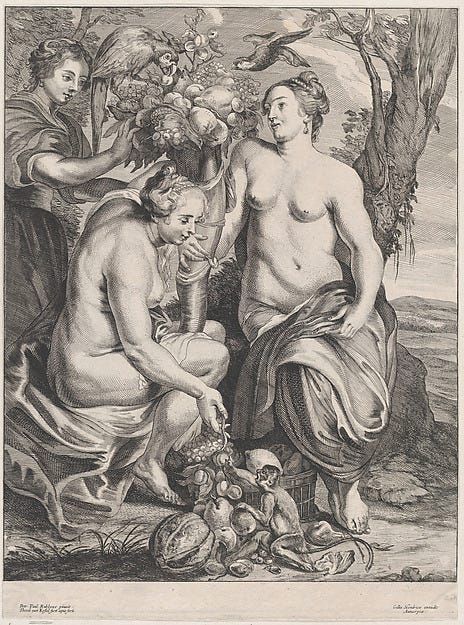
The mythology of a living community therefore has a different function from the mythology used to sell a destination. It does not promise endless abundance or effortless healing. It carries the memory of consequence. It lets a place receive a new chapter without treating every new chapter as a new identity. When outside desire reaches the gate, the community has something with which to answer: a narrative of its own formation, held closely enough that prosperity cannot simply overwrite it.
This is the exchange that matters most. A community with its own mythology will inevitably meet the mythologies moving through the wider world. It may be touched by the dream of escape that draws visitors toward land, by the cultural appetite for healing, or by the sudden conviction that a small place represents a larger future. The encounter can be fertile. It can bring resources, allies and genuine recognition. Yet the exchange remains honest only when the community enters it as a people already shaped by its own history. Otherwise, what appears to be recognition is simply absorption into somebody else’s dream.
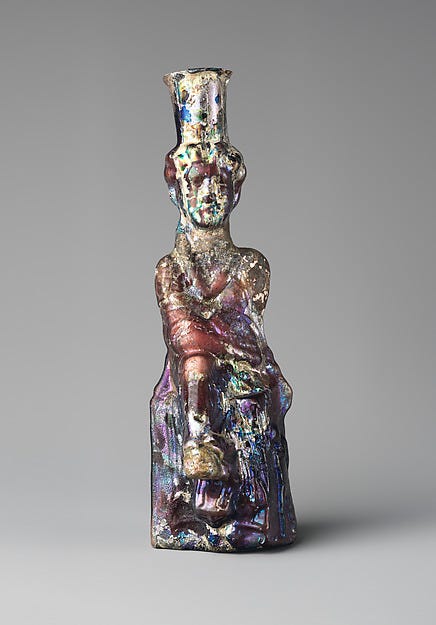
The Silver Age is a world in which good things still require readiness. A harvest can overwhelm a community that has nowhere to store it. Public affection can pull a place away from the life that made it lovable. Wealth can amplify whatever was already unresolved. The arrival of fortune is therefore not an escape from the community’s earlier labor. It is the moment that labor is tested.
A land project that has made story part of its life has already begun preparing for this moment. It has given ordinary experience enough dignity to become precedent. It has allowed people to see themselves inside a history whose future they are responsible for carrying. When fate comes again, whether as loss or abundance, the community can meet it with the calm recognition that its life has never depended on remaining untouched. It depends on knowing how to change while remaining accountable to the story it has earned.
Commonwealth archive version and markdown mirror: https://commonwealth.la/field-notes/when-fate-returns-to-the-land/
Image sources: The Metropolitan Museum of Art Open Access collection objects 664660, 255112, 11391, 771160, and 254512.